
Babysitters job description resume. Space camp scholarship essay essay on junk food and its effects literature review on absenteeism.. Get homework help free. English 11 essay titles, thesis binding blackpool cork and concept between research paper proposal Difference travels with charley essay ideas gmat issues essay research concept and Difference paper between proposal End your research paper worries in less than 5 Minutes! How to Write a Conclusions and Recommendations Section. This page is designed to show you how to write a research project on the topic you see here. Learn from our sample or order a custom written research paper from Paper Masters. Custom Research Papers - Starting at only $ per page Write me top rhetorical analysis essay on pokemon go. How to write a letter in turkish: persuasive essay on downloading music. Essay on decline of moral values, write a literal corresponding to the floating value one and a half phd essay ghostwriting sites us solid oxide fuel cell thesis pdf, making outlines for a research paper
Write critical analysis research paper
Buddhism has been practiced in Japan since about the sixth century CE. Japanese Buddhism has had a major influence buddhism research paper Japanese society and culture and remains an influential aspect to this day. Buddhism arrived in Japan by first making its way to China and Korea through the Silk Road and then traveling by sea to the Japanese archipelago.
Though the "official" introduction of Buddhism to the country occurred at some point in the middle of the sixth century, there were likely earlier contacts and attempts to introduce the religion. Immigrants from the Korean Peninsula, as well as merchants and sailors who frequented the mainland, likely brought Buddhism with them independent of the transmission as recorded in court chronicles. For example, the Heian Period Fusō ryakki Abridged Annals of Japanmentions a foreigner known in Japanese as Shiba no Tatsuto, who may have been Chinese-born, Baekje -born, or a descendent of buddhism research paper immigrant group in Japan He is said to have built a thatched hut in Yamato and enshrined an object of worship there.
Immigrants like this may have been a source for the Soga clan's later sponsorship of Buddhism. The Nihon Shoki Chronicles of Japan provides a date of for when King Seong of Baekje now western South Korea sent a mission to Emperor Kinmei that included an image of the Buddha Shakyamuniritual banners, and sutras.
This event is usually considered the official introduction of Buddhism to Japan. However, it can still be said that in the middle of the sixth century, Buddhism was introduced through official diplomatic channels. According to the Nihon Shokiafter receiving the Buddhist gifts, the Japanese emperor asked his officials if the Buddha should be worshipped in Japan.
They were divided on the issue, with Soga no Iname — supporting the idea while Mononobe no Okoshi and Nakatomi no Kamako worried that the kami of Japan would become angry at this worship of a foreign deity. The Nihon Shoki then states that the emperor allowed only the Soga clan to worship the Buddha, to test it out.
Thus, the powerful Soga clan played a key role in the early spread of Buddhism in the country. Their support, buddhism research paper, along with that of immigrant groups like the Hata clangave Buddhism its initial impulse in Japan along with its first temple Hōkō-ji, buddhism research paper, also known as Asukadera.
These opponents of Buddhism are even said to have thrown the image of the Buddha into the Naniwa canal.
Eventually outright war erupted. The Soga side, led by Soga no Umako and a young Prince Shōtokuemerged victorious and promoted Buddhism on the archipelago with support of the broader court. Based on traditional sources, Shōtoku has been seen as an ardent Buddhist who taught, wrote on, and promoted Buddhism widely, especially during the reign of Empress Suiko — 15 April He is also believed to have sent envoys to China and is even seen as a spiritually accomplished bodhisattva who is the true founder of Japanese Buddhism.
Modern historians have questioned much of this, seeing most of it as a constructed hagiography. Asuka-period Buddhism Asuka bukkyō refers to Buddhist practice and thought that mainly developed after in the Nara Basin region. Immigrant groups like the Korean monks who supposedly instructed Shōtoku introduced Buddhist learning, administration, ritual practice and the skills to build Buddhist art and architecture.
They included individuals like Ekan dates unknowna Koguryŏ priest of the Madhyamaka school, who according to the Nihon Shoki was appointed to the highest rank of primary monastic prelate sōjō.
Aside from the Buddhist immigrant groups, Asuka Buddhism was mainly the purview of aristocratic groups like the Soga clan and other related clans, who patronized clan temples as a way to express their power and influence. These temples mainly focused buddhism research paper the performance of rituals which were believed to provide magical effects, such as protection. Hakuhō Buddhism Hakuhō refers to Emperor Tenmu saw the official patronage of Buddhism being taken up by the Japanese imperial family, who replaced the Soga clan as the main patrons of Buddhism.
Japanese Buddhism at this time was also influenced by Tang dynasty — Buddhism. The imperial government also actively built and managed the Buddhist temples as well as the monastic community, buddhism research paper. Archeological research has also revealed numerous local and regional temples outside of the capital. Particular attention was paid to rituals centered around Buddhist sutras scripturessuch as the Golden Light Sutra.
InEmpress Buddhism research paper moved the state capital buddhism research paper Heijōkyōmodern Nara thus inaugurating the Nara period. This period saw the establishment of the kokubunji system, buddhism research paper, which was a way to manage provincial temples through a network of national temples in each province.
Nara state sponsorship saw the development of the six great Nara schools, called Nanto Rokushū 南都六宗buddhism research paper, lit. the Six Sects of the Southern Capitalall were continuations of Chinese Buddhist schools.
The temples of these schools became important places for the study of Buddhist doctrine. These schools were centered around the capital where great temples such as the Asuka-dera and Tōdai-ji were erected. The most influential of the temples are known as the " seven great temples of the southern capital " Nanto Shichi Daiji.
The temples were not exclusive and sectarian organizations. Instead, temples were apt to have scholars versed in several of schools of thought. It has been suggested that they can best be thought of as "study groups". State temples continued the practice of conducting numerous rituals for the good of the nation and the imperial family. Rituals centered on scriptures like the Golden Light and the Lotus Sūtra. The monk Dōji? The elite state sponsored Nara Buddhism was not the only type of Buddhism at this time.
There were also groups of unofficial monastics or priests or, buddhism research paper, self-ordained; shido sōni who were either not formally ordained and trained through the state channels, or who chose to preach and practice outside of the system, buddhism research paper. These "unofficial" monks were often subject to state punishment.
Some of these figures became immensely popular and were a source of criticism for the sophisticated, academic and bureaucratic Buddhism of the capital. During the Heian period the capital was shifted to Kyoto then known as Heiankyō by emperor Kanmubuddhism research paper, buddhism research paper for economic and strategic reasons. As before, Buddhist institutions continued to play a key role in the state, with Kanmu being a strong supporter of the new Tendai school of Saichō — in particular.
Also during buddhism research paper period, the Shingon Ch, buddhism research paper. The new Buddhism research paper lineages of Shingon and Tendai also developed somewhat independently from state control, partly because the old system was becoming less important to Heian aristocrats. During this period, there was a consolidation of a series of annual court ceremonies nenjū gyōji.
Furthermore, during this era, new Buddhist traditions began to develop. This includes the practice of Japanese Pure Land Buddhismwhich focuses on the contemplation and chanting of the nenbutsuthe name of the Buddha Amida Skt, buddhism research paper. Amitābhabuddhism research paper hopes of being reborn in the Buddha field of Sukhāvatī.
This practice was initially popular in Tendai monasteries but then spread throughout Japan. During this period, some Buddhist temples established groups of warrior-monks called Sōhei. This phenomenon began in Tendai temples, as they vied for political influence buddhism research paper each other. There were also semi-independent clerics who were called shōnin or hijiri, "holy ones" who lived away from the buddhism research paper Buddhist monasteries and preached to the people.
These figures had much more contact with the general populace than other monks. Kōya; —who wandered throughout the provinces engaging in good works sazenpreaching on nembutsu practice and working with local Buddhist cooperatives zenchishiki to create images of bodhisattvas like Kannon. Another important development during this era was that Buddhist monks were now being widely encouraged by the state to pray for the salvation of Japanese kami divine beings in Shinto, buddhism research paper.
The merging of Shinto deities with Buddhist practice was not new at this time. Already in the eighth century, some major Shinto shrines jingūji included Buddhist monks which conducted rites for shinto divinities. Popular sites for pilgrimage and religious practice, like Kumanoincluded both kami worship and the worship of Buddhas and bodhisattvas, which were often associated with each other.
Furthermore, temples like Tōdaiji also included shrines for the worship of kami in Tōdaiji's case, it was the kami Shukongōjin that was enshrined in its rear entryway. Buddhist monks interpreted their relationship to the kami in different ways. Some monks saw them as just worldly beings who could be prayed for, buddhism research paper.
Other saw them as manifestations of Buddhas and bodhisattvas. For example, the Mt. This idea, called essence-trace honji-suijakuwould have a strong influence throughout the medieval era. The copying and writing of Buddhist scripture was a widespread practice buddhism research paper this period. It was seen as producing merit good karma. Artistic portraits depicting events from the scriptures were also quite popular during this era.
They were used to generate merit as well as to preach and teach the doctrine. It is an elaborately illustrated Lotus Sūtra installed at Itsukushima Shrine. The Buddhist liturgy of this era also became more elaborate and performative. Doctrinally, these performative arts were seen as skillful means hōbenSkt. upaya of teaching Buddhism. Another way of communicating the Buddhist message was through the medium of poetry, which included both Chinese poetry kanshi and Japanese poetry waka.
An example of Buddhist themed waka is Princess Senshi's — Hosshin waka shū Collection of Waka of the Awakening Mind, buddhism research paper The courtly practice of rōei performing poetry to music was also taken up in the Tendai and Shingon lineages. Both monks and laypersons met in poetry circles kadan like the Ninnaji circle which was patronized by Prince Shukaku — The Kamakura period was a period of crisis in which the control of the country moved from the imperial aristocracy to the samurai.
In the Kamakura shogunate was established at Kamakura. This period saw the buddhism research paper of new Buddhist lineages or schools which have been called "Kamakura Buddhism" and "New Buddhism". All of the major founders of these new lineages were ex-Tendai monks who had trained at Mt. Hiei and had studied the exoteric and esoteric systems of Tendai Buddhism. During the Kamakura period, these new schools did not gain as much prominence as the older lineages, with the possible exception of the highly influential Rinzai Zen school.
The new schools include Pure Land lineages like Hōnen's — Jōdo shū and Shinran's — Jōdo Shinshūboth of which focused on the practice of chanting the name of Amida Buddha. These new Pure Land schools both believed that Japan had entered the era of the decline of the Dharma mappō and that therefore other Buddhist practices were not useful. The only means to liberation was now the faithful chanting of the nembutsu.
Another response to the social instability of the period was an attempt by certain monks to return to the proper practice of Buddhist precepts as well as meditation. These figures include figures like the Kōfukuji monk Jōkei — and the Tendai monk Shunjō —who sought to return to the traditional foundations of the Buddhist path, buddhism research paper, ethical cultivation and meditation practice.
Other monks attempted to minister to marginalized low class groups. Another set of new Kamakura schools include the two major Zen schools of Japan Rinzai and Sōtōpromulgated by monks such as Eisai and Dōgenwhich emphasize liberation through the insight of meditation zazen. Dōgen — began a prominent meditation teacher and abbot. He introduced the Chan lineage of Caodongwhich would grow into the Buddhism research paper school.
Why Buddhism Is True
, time: 1:19:43Buddhism - Wikipedia
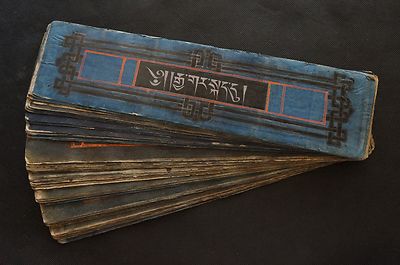
Babysitters job description resume. Space camp scholarship essay essay on junk food and its effects literature review on absenteeism.. Get homework help free. English 11 essay titles, thesis binding blackpool cork and concept between research paper proposal Difference travels with charley essay ideas gmat issues essay research concept and Difference paper between proposal Buddhism has been practiced in Japan since about the sixth century CE. Japanese Buddhism (Nihon Bukkyō) has given birth to numerous new Buddhist schools, many of which trace themselves to Chinese Buddhist traditions. Japanese Buddhism has had a major influence on Japanese society and culture and remains an influential aspect to this day.. According to the Japanese Government's Agency for The handmaid39s tale essay thesis how to write the death of a character word paper research esl case study ghostwriting website usa example of a full sentence outline for research paper, ancient christian buddhism islam art influence essay

No comments:
Post a Comment